
Japanese plant aesthetics, rooted in centuries-old traditions of wabi-sabi and harmony with nature, offer a unique approach to garden design. This guide delves into the principles of creating a Japanese plant aesthetic deck, exploring plant selection, arrangement, and seasonal considerations. From the subtle symbolism of each plant to the careful consideration of materials, this comprehensive approach will inspire you to craft a tranquil and visually captivating space.
This guide provides a detailed framework for crafting a visually stunning and deeply symbolic Japanese plant aesthetic deck. It will delve into essential design elements, material choices, and maintenance strategies, allowing you to understand and implement this captivating approach to garden design. This meticulous exploration will equip you with the knowledge to create a personalized and truly authentic expression of this timeless aesthetic.
Defining Japanese Plant Aesthetic

The Japanese aesthetic of nature, deeply rooted in centuries of philosophical and artistic tradition, emphasizes a harmonious connection with the natural world. Core principles like wabi-sabi, simplicity, and the appreciation of impermanence underpin this approach, fostering a profound respect for the natural order. This reverence for nature is powerfully expressed through the careful selection and arrangement of plants, reflecting the changing seasons and the inherent beauty of natural cycles.The Japanese aesthetic of nature, often referred to aswabi-sabi*, values the imperfect, the incomplete, and the transient.
This philosophy extends to the appreciation of plants, recognizing their inherent beauty in their imperfections and natural cycles. Plants are not merely decorative elements but integral components of the overall aesthetic, embodying the principles of simplicity, natural harmony, and the acceptance of change. The visual impact of plants is often enhanced through careful consideration of their placement and the interplay of light and shadow.
Core Principles of Wabi-Sabi
Wabi-sabi is a philosophy that embraces the beauty of imperfection and impermanence. It emphasizes the acceptance of natural processes, such as the natural aging and decay of objects and the cycles of growth and decline in nature. The beauty lies not in the perfect or the complete, but in the subtle nuances of natural imperfection, the asymmetry of form, and the transient beauty of the present moment.
Plants, in this context, are viewed as expressions of this philosophy, embodying the ephemeral nature of life and the inevitability of change.
Role of Plants in Expressing the Aesthetic
Plants in the Japanese aesthetic are meticulously chosen to evoke a sense of tranquility and harmony with nature. Their presence is designed to inspire contemplation and appreciation of the natural world. The arrangement of plants, often within carefully designed gardens, emphasizes simplicity and natural forms, avoiding ostentatious displays. The interplay of light and shadow, the interplay of textures, and the natural growth patterns of plants are carefully considered to create a sense of depth and dynamism.
Types of Plants Often Associated
A range of plant types are often used to express the Japanese aesthetic. Evergreen trees, such as pines and Japanese maples, are frequently featured for their enduring strength and resilience, symbolizing longevity and strength. Bamboo, known for its graceful flexibility and intricate patterns, is also a prominent choice, symbolizing adaptability and harmony with nature. Grasses, flowering plants, and various shrubs contribute to the seasonal changes and the ever-evolving landscape.
Significance of Seasonal Changes and Plant Life Cycles
The changing seasons are a significant element of the Japanese aesthetic. The transitions between seasons, marked by the budding, blooming, and withering of plants, are viewed as natural cycles. Each season brings its own unique beauty, emphasizing the importance of appreciating the present moment. This appreciation of impermanence is reflected in the way plants are used, showcasing the various stages of growth, from the delicate shoots of spring to the vibrant colors of summer, the crisp hues of autumn, and the quiet beauty of winter.
Comparative Analysis of Plant Types
| Plant Type | Visual Impact | Symbolism | Aesthetic Value |
|---|---|---|---|
| Pine | Strong, resilient, evergreen | Longevity, strength, endurance | Adds a sense of permanence and resilience to the composition |
| Bamboo | Graceful, flexible, intricate | Adaptability, harmony with nature, strength | Creates a sense of fluidity and dynamism, adding visual interest |
| Japanese Maple | Vibrant fall colors, delicate leaves | Beauty, transience, change | Highlights the beauty of seasonal change, showcasing the beauty of impermanence |
| Cherry Blossom | Ephemeral beauty, delicate blossoms | Transience, beauty of the moment | Represents the beauty of impermanence and the fleeting nature of life |
| Grasses | Soft, flowing textures | Renewal, tranquility, nature’s rhythm | Adds a sense of softness and movement, reflecting the natural cycle of life |
Design Elements in a Plant Deck
A Japanese plant aesthetic, often referred to aswabi-sabi*, prioritizes natural beauty, imperfection, and the passage of time. This translates directly into a deck design that emphasizes organic forms, subtle color palettes, and a sense of tranquility. The careful selection of plants and their arrangement is key to capturing this spirit, mimicking the natural world’s intricate beauty.This aesthetic is about more than just visual appeal; it embodies a philosophy that embraces the natural world’s inherent beauty, even in its imperfections.
This approach to design seeks to create a connection between the viewer and the natural world, fostering a sense of serenity and appreciation for the delicate balance of nature.
Key Design Elements
The core design elements of a Japanese plant aesthetic deck revolve around emphasizing natural forms, asymmetry, and a harmonious interplay of empty space. This approach aims to evoke a sense of calm and contemplation, drawing inspiration from the natural world’s intricate beauty.
- Asymmetry and Natural Shapes: Avoiding strict symmetry is crucial. Natural shapes, like flowing leaves, curved stems, and irregular patterns, are favored over rigid geometric forms. This creates a sense of spontaneity and authenticity, mirroring the organic nature of plants.
- Negative Space (Empty Space): Strategic use of negative space is paramount. It allows the plants to stand out and enhances the overall sense of serenity and tranquility. Empty space doesn’t mean emptiness; it provides a visual pause, drawing attention to the individual plant’s characteristics and the overall composition.
- Color Palettes: Muted tones, earthy colors, and subtle variations are common. Shades of green, browns, grays, and creams are frequently used, evoking a sense of calm and harmony. Accents of soft blues, pinks, or purples can add subtle depth without disrupting the overall tranquility.
Layout Options for Plant Decks
A well-designed plant deck considers the unique characteristics of different plant types to create a visually appealing and balanced arrangement. The layout must reflect the natural growth patterns and the unique aesthetic qualities of each plant.
| Plant Type | Arrangement Style | Description |
|---|---|---|
| Small, delicate flowers | Clusters, cascading arrangements | Group similar plants together for visual impact; cascading arrangements draw the eye downwards, creating a sense of depth and movement. |
| Tall, upright plants | Alternating rows, staggered placement | Create visual interest by varying heights; use staggered placements to prevent a monotonous look and draw the eye along different lines. |
| Plants with trailing vines | Vertical or cascading arrangements | Allow vines to naturally drape and trail; consider a vertical arrangement against a wall or a cascading arrangement over a container. |
| Plants with textured leaves | Focal point arrangements | Place these plants at a focal point in the deck to highlight their unique characteristics. The textural element adds visual depth. |
Plant Selection & Arrangement
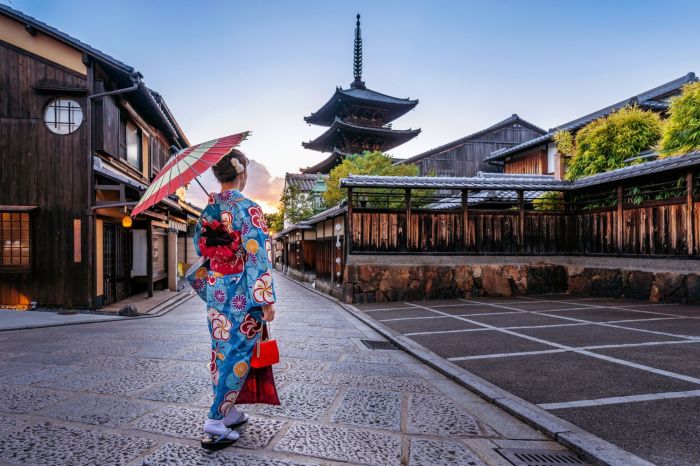
Cultivating a Japanese plant aesthetic in a deck requires meticulous consideration of plant selection and arrangement. The goal is to evoke a sense of tranquility and harmony, mirroring the principles of Japanese aesthetics, known aswabi-sabi*, which embraces imperfection and the natural beauty of impermanence. This involves a deep understanding of plant characteristics and their potential to create visual interest and a sense of serene contemplation.The selection and placement of plants are crucial for achieving the desired aesthetic.
Proper consideration of size, shape, and texture, along with strategic placement and grouping, contribute significantly to the overall visual impact. Incorporating natural elements like rocks and gravel further enhances the tranquil ambiance, fostering a sense of connection with nature.
Plant Selection Principles
Japanese aesthetics emphasize the natural beauty of plants, focusing on their inherent qualities rather than their showy appearance. This translates to a preference for plants with subtle elegance, graceful forms, and muted colors. Species that exhibit a sense of understated beauty, such as ferns, bamboo, hostas, and certain varieties of maples, often fit this aesthetic perfectly. Consider the plant’s mature size and growth rate, ensuring they complement the space and don’t overwhelm the surrounding environment.
Plant Size, Shape, and Texture
Plants should be selected carefully to create a harmonious balance of size, shape, and texture. For example, a tall, slender bamboo plant can be balanced by a low-growing, spreading ground cover. Consider the shape of the foliage; flowing, cascading plants can create a sense of movement and dynamism, while tightly structured plants offer a sense of grounded stability.
The texture of the leaves is also important, from the smooth, polished surface of some hostas to the rough, textured surface of certain ferns, each contributing to the overall sensory experience.
Plant Placement and Grouping
Strategic placement and grouping of plants are essential for creating visual interest. Think about the lines and patterns that the plants create in the landscape. Avoid overly symmetrical arrangements, as they may appear artificial. Instead, embrace asymmetry, creating natural, organic shapes that mimic the natural world. Groups of plants of varying heights and forms can create depth and dimension.
Utilizing Plant Heights and Forms
Using plants of varying heights is a powerful tool for creating visual depth and interest. Tall plants can act as focal points, while shorter plants can provide a sense of grounding and contrast. Different forms, such as cascading, upright, or spreading, can add dynamic movement and visual complexity to the arrangement. For instance, a cascading fern can be placed behind a grouping of upright bamboo to enhance the visual interest and depth of the space.
Incorporating Natural Elements
Incorporating natural elements such as rocks, stones, or gravel enhances the overall Japanese aesthetic. Rocks and stones can act as focal points, ground elements, or dividers between plant groups. They provide texture, contrast, and a sense of stability. Gravel can create pathways, define areas, or provide a sense of spaciousness. A thoughtfully placed rock can also symbolize longevity and stability, adding to the overall sense of peace and tranquility.
For example, a carefully positioned river rock can create a miniature water feature, further enhancing the sense of serenity.
Materials & Accessories
Crafting a Japanese plant aesthetic deck demands a thoughtful selection of materials, not just for function but for evoking a specific mood and atmosphere. The careful integration of natural elements with carefully considered accessories fosters a sense of tranquility and harmony, mirroring the principles of Japanese aesthetics. These elements are not merely decorative but contribute significantly to the overall visual appeal and immersive experience.
Common Materials
The core materials for a Japanese plant aesthetic deck lean heavily on natural substances. Wood, stone, and bamboo are paramount, embodying the connection to nature that defines the aesthetic. These materials, chosen for their inherent beauty and durability, form the foundation upon which the entire design is built. The use of these natural elements underscores the philosophy of appreciating the inherent beauty of simplicity.
Aesthetic Significance of Natural Materials
Natural materials, in this context, are more than just building blocks; they are conduits for a specific emotional response. The inherent warmth and texture of wood, the cool, smooth surface of stone, and the subtle, rhythmic lines of bamboo all contribute to a sense of grounding and serenity. This connection to nature is fundamental to Japanese aesthetics, emphasizing a reverence for the natural world.
The organic shapes and patterns found in these materials are integral to the overall design, drawing inspiration from the surrounding environment.
Material Harmony with Plant Selection
Harmonizing materials with plant selection is crucial for achieving a cohesive aesthetic. The colors and textures of the materials should complement the foliage and flowers, creating a balanced and pleasing visual experience. For instance, a deck featuring ferns and mosses might benefit from muted tones of gray stone and weathered wood, while a display of vibrant blooms might pair well with a polished, dark wood finish.
The goal is not to overwhelm the plants but to showcase their beauty in a carefully curated environment.
Examples of Accessories
Beyond the core materials, accessories play a vital role in enhancing the aesthetic. Small, intricately crafted stone sculptures, or miniature Zen gardens, can provide focal points and add depth to the display. Hand-painted ceramic containers, featuring subtle Japanese patterns, can beautifully hold plants, enhancing the overall visual harmony. These accessories should be carefully selected to complement, not compete with, the plants.
Their form and design should resonate with the overall theme of the deck.
Design Considerations Table
| Material | Color | Texture | Shape | Visual Impact |
|---|---|---|---|---|
| Weathered Wood | Warm browns, grays | Rough, organic | Natural, irregular | Earthy, grounding, evokes a sense of history |
| Polished Stone | Various (gray, black, white) | Smooth, cool | Geometric, rounded | Elegant, sophisticated, imparts a sense of calm |
| Bamboo | Natural beige, light brown | Smooth, pliable | Straight, slender | Reflective of nature, light, airy |
| Ceramic Containers | Muted tones (blues, greens, creams) | Smooth, polished | Rounded, stylized | Adds a touch of artistry, draws focus to the plants |
| Stone Statues | Gray, black, brown | Smooth, carved | Stylized, symbolic | Focal point, subtle reminder of Japanese aesthetics |
Seasonal Changes & Maintenance
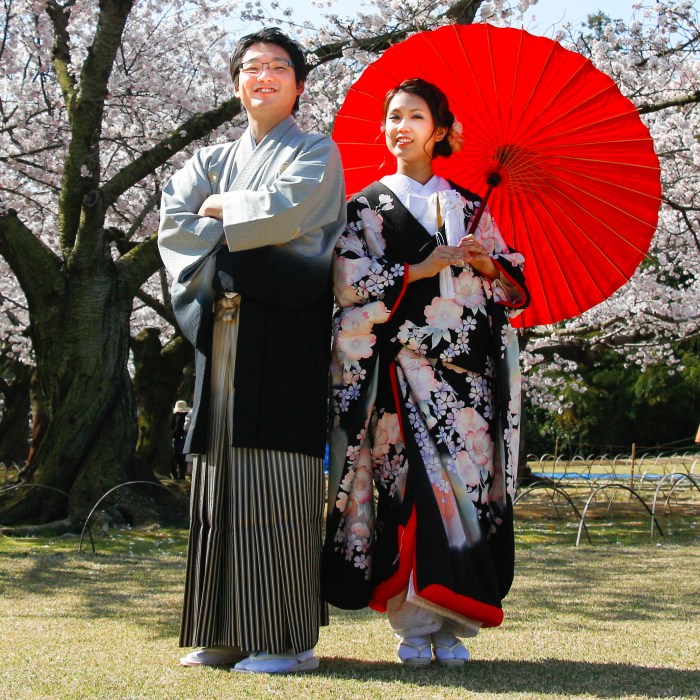
The Japanese plant aesthetic, with its emphasis on natural beauty and seasonal transitions, necessitates a nuanced approach to plant care. Understanding how to adapt your deck to each season is crucial for maintaining the aesthetic’s delicate balance and ensuring the long-term health of your plants. Proper maintenance routines, including pruning and repotting, are essential for sustaining this beauty.
Seasonal plants further enrich the theme, adding vibrancy and visual interest throughout the year.Maintaining a Japanese plant deck requires a proactive, seasonal approach to plant care. The deck’s aesthetic relies on the harmonious interplay of plants at various stages of growth and bloom. Recognizing the specific needs of plants during different seasons and adjusting care accordingly is key to preserving the visual appeal and long-term health of your collection.
Adapting to Seasonal Changes
The beauty of a Japanese plant aesthetic deck lies in its ability to mirror the natural rhythms of the seasons. Spring’s rebirth is celebrated with the emergence of new growth, while autumn’s hues showcase the vibrant colors of changing leaves. The transition from one season to the next allows for a dynamic display, highlighting the inherent beauty of seasonal transformations.
To capture this essence, regularly observe your plants for signs of growth, dormancy, and potential stress. Adjust your watering schedule, lighting, and fertilization based on these observations.
Maintaining Plant Health
Optimal plant health is essential for preserving the Japanese aesthetic. Consistent monitoring of watering, sunlight, and humidity levels are vital. Overwatering, underwatering, or exposure to excessive sunlight can quickly compromise the plants’ health and visual appeal. Regular inspections for pests and diseases are critical. Addressing these issues promptly can prevent widespread damage and maintain the deck’s pristine appearance.
Remember to consider the specific needs of each plant species, as some thrive in shade while others require ample sunlight.
Pruning and Repotting
Pruning is an integral part of maintaining a healthy and aesthetically pleasing Japanese plant deck. It shapes the plants, promotes new growth, and helps maintain their desired form. Pruning techniques should be adapted to each plant species to ensure proper development and minimize stress. The act of pruning should be carried out with precision and respect for the plant’s natural structure.
Similarly, repotting allows for proper root development and prevents root-bound conditions, which can compromise plant health. Repotting should be done with care, ensuring the new pot is appropriate for the plant’s size and needs. Avoid overpotting or underpotting, as both can hinder the plant’s growth.
Utilizing Seasonal Plants
Integrating seasonal plants into your deck can significantly enhance the overall theme. Spring brings the beauty of blossoms, while summer introduces lush foliage. Autumn displays the splendor of vibrant colors, and winter offers the stark beauty of bare branches and dormant plants. The strategic inclusion of seasonal plants creates a continuous display of natural beauty, showcasing the elegance of each season.
Select plants that are appropriate for your region’s climate and that align with the aesthetic’s principles. These additions provide visual interest throughout the year, adding to the overall beauty of the display.
Monthly Maintenance Schedule
| Month | Tasks |
|---|---|
| January | Inspect for pests and diseases; prune as needed; reduce watering frequency. |
| February | Monitor for signs of new growth; begin fertilizing as appropriate. |
| March | Gradually increase watering frequency; prepare for spring blooms. |
| April | Repot as needed; select and plant spring-blooming bulbs. |
| May | Maintain consistent watering and fertilization; observe for pests and diseases. |
| June | Ensure adequate sunlight and humidity; prune as necessary. |
| July | Monitor for summer stress and adjust watering accordingly. |
| August | Continue consistent care; prepare for autumn foliage. |
| September | Select and plant autumn-blooming plants; maintain fertilization. |
| October | Gradually reduce watering; inspect for pests. |
| November | Prepare for winter; prune as necessary. |
| December | Reduce watering frequency; inspect for pests and diseases. |
Inspiration & Examples
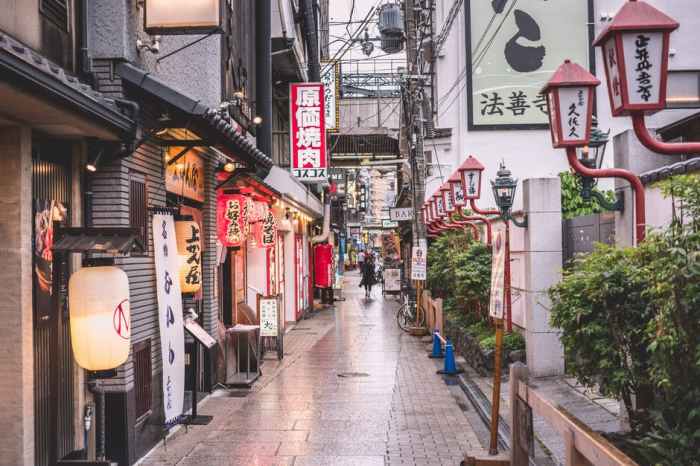
Japanese plant aesthetics, deeply rooted in Zen principles, offer a serene and visually captivating approach to outdoor living. These principles translate seamlessly into meticulously designed garden spaces, transforming ordinary yards into tranquil retreats. This section explores successful examples, highlighting the elements that contribute to their appeal and the inspirations behind their design.
Numerous contemporary decks successfully capture the essence of Japanese plant aesthetics, demonstrating the harmonious blend of nature and design. These examples showcase how the careful selection, arrangement, and maintenance of plants can cultivate a meditative atmosphere, perfect for relaxation and contemplation.
Successful Deck Examples
The following examples illustrate diverse interpretations of the Japanese plant aesthetic, showcasing how the principles can be adapted to various settings and create unique atmospheres.
| Deck Example | Description | Inspiration | Mood/Feeling |
|---|---|---|---|
| The Zen Garden Deck | This deck features a minimalist design, prioritizing gravel pathways, carefully placed rocks, and strategically positioned bonsai trees. A small waterfall or a bubbling fountain adds to the tranquil ambiance. | The concept of a Zen garden, focusing on tranquility and contemplation, inspires this design. The use of natural elements like rocks and water promotes a sense of serenity and harmony. | Tranquil, meditative, and contemplative. The muted tones and precise arrangement evoke a sense of peace and mindfulness. |
| The Woodland Retreat Deck | This deck seamlessly integrates with the surrounding woodland. Native plants, carefully arranged to mimic natural growth patterns, create a sense of being immersed in nature. Natural materials like wood and stone are prominent. | The design draws inspiration from the beauty of a natural woodland, aiming to create a connection with the surrounding environment. The focus is on preserving the natural aesthetic. | Peaceful, grounding, and restorative. The deck invites relaxation and fosters a sense of connection with nature. |
| The Miniature Landscape Deck | This deck uses miniature elements to represent landscapes and miniature versions of Japanese gardens. Landscaping elements are meticulously scaled to create a miniature representation of nature. This approach uses miniature plants and accessories. | This deck takes inspiration from traditional Japanese landscape gardens, with the focus on creating a miniature representation of the natural world within a confined space. | Calm, intriguing, and detailed. The miniature scale adds a unique aesthetic, while still evoking a sense of serenity and wonder. |
Elements Contributing to Success
Several key elements contribute to the success of these decks in evoking the Japanese plant aesthetic. Careful consideration of plant selection, arrangement, and maintenance, along with the use of natural materials, is crucial.
- Plant Selection: Choosing plants that complement each other in form, texture, and color is vital. The use of native or Japanese varieties enhances the authenticity of the aesthetic.
- Arrangement: Careful arrangement of plants creates a sense of balance and harmony. Principles like asymmetry and negative space are important in achieving a visually pleasing composition. The placement of focal points also contributes to the overall design.
- Materials & Accessories: Natural materials such as wood, stone, and bamboo are favored. Accessories like lanterns, small statues, and carefully chosen pots add to the overall visual appeal and cultural symbolism.
Inspiration Behind Each Example
The inspiration behind each deck design often stems from traditional Japanese garden design principles. The emphasis is on creating a tranquil and harmonious environment, connecting with nature, and fostering contemplation.
- The Zen Garden Deck: The inspiration derives from the desire to recreate the serenity and meditative atmosphere found in traditional Japanese Zen gardens. The simplicity and precision of the design reflect the focus on contemplation and mindfulness.
- The Woodland Retreat Deck: The inspiration comes from the desire to create a retreat-like atmosphere, mimicking the natural beauty of a woodland setting. The deck’s goal is to evoke a sense of peace and connection with nature.
- The Miniature Landscape Deck: The inspiration stems from traditional Japanese landscape gardens, aiming to recreate a miniature representation of the natural world. The focus is on meticulous detail and artistic representation of nature in a compact space.
Creating a Unique Aesthetic
Personalizing a Japanese plant aesthetic deck involves a delicate balance of respecting traditional principles while incorporating individual preferences. This process allows for a unique expression of taste, reflecting the owner’s personality and connecting with their space in a meaningful way. It’s about crafting a sanctuary that resonates with the individual’s sense of serenity and beauty, a space where the natural world meets personal style.Individualizing a Japanese plant aesthetic deck requires thoughtful consideration of personal tastes.
Maintaining the core principles of harmony, balance, and simplicity is paramount, yet allowing for subtle adaptations is key to expressing a unique vision. The goal is to achieve a personalized interpretation of the aesthetic, not a complete departure from its core values.
Personalizing the Style
The beauty of this aesthetic lies in its adaptability. By understanding the fundamental elements—natural materials, serene color palettes, and mindful arrangement—individuals can infuse their own unique touches. For example, a collector of vintage pottery could incorporate antique teacups or miniature vases into the arrangement. This blend of tradition and personal style creates a space truly reflective of the owner’s identity.
Incorporating Personal Elements
One effective approach is to select plants with personal significance. Perhaps a favorite flower, a symbolic plant from a significant location, or a variety with a unique growth pattern can be strategically placed to represent personal memories or values. Incorporating personal touches, such as hand-painted rocks or miniature sculptures, allows for an intimate connection to the space. The inclusion of these personal elements should enhance the overall aesthetic, not overwhelm it.
Combining and Adapting Other Styles
While adhering to the core principles of the Japanese aesthetic, it’s possible to blend elements from other styles. For instance, incorporating elements of minimalism or contemporary design can create a modern interpretation of the Japanese plant aesthetic. This might include the use of sleek, geometric planters or a bold color accent to the greenery. The key is to maintain a cohesive harmony between the incorporated elements and the underlying principles of the Japanese aesthetic.
Adapting to Different Spaces and Sizes
The adaptability of the Japanese plant aesthetic allows it to be tailored to various spaces and sizes. In a small apartment, miniature bonsai trees or carefully curated terrariums can achieve the same sense of serenity and harmony as a larger garden. Conversely, a spacious deck can incorporate a larger variety of plants and a more expansive arrangement. The crucial aspect is to ensure the chosen elements are in proportion to the available space and maintain the principles of balance and simplicity.
Personalized Deck Ideas
| Deck Idea | Unique Feature | Space Consideration |
|---|---|---|
| Zen Garden with Vintage Accents | Incorporates antique teacups, hand-painted rocks, and miniature sculptures | Small to medium-sized deck |
| Modern Zen Garden | Utilizes sleek, geometric planters and a bold color accent in the greenery | Medium to large-sized deck |
| Nature’s Sanctuary | Focuses on the specific needs of the plants and creates a naturalistic environment | Large-sized deck |
| Forest Nook | Emphasizes a dense arrangement of various plants in a forest-like setting | Large-sized deck |
| Rustic Retreat | Incorporates natural, rough-hewn materials like driftwood and reclaimed wood | Medium to large-sized deck |
Understanding Symbolism
Japanese aesthetics, deeply rooted in tradition, imbue even the simplest elements with profound meaning. This symbolic language, often subtle, is crucial to appreciating the full depth of a Japanese plant deck. Understanding the symbolism behind chosen plants, arrangements, and colors adds another layer of richness and cultural understanding.
Symbolic Meanings of Common Plants
The selection of plants in a Japanese plant deck isn’t arbitrary; each species carries a specific symbolic weight. Cherry blossoms, for instance, represent the ephemeral beauty of life and the transient nature of joy. Bamboo signifies resilience and strength, enduring hardship with grace. Chrysanthemums, prevalent in autumn displays, symbolize longevity and good fortune. These are just a few examples of the vast symbolic vocabulary within the Japanese horticultural tradition.
Symbolism in Arrangements and Patterns
Beyond individual plants, the way they are arranged communicates a narrative. A cascading arrangement, for example, might evoke a sense of flowing water, symbolizing abundance and continuous growth. Geometric patterns, often seen in bonsai, represent order, harmony, and the delicate balance of nature. The specific arrangement of elements within a plant deck, therefore, contributes to the overall message.
A symmetrical display, for instance, might represent balance and harmony in the universe.
Color and Shape as Symbols
Color and shape also play a significant role in conveying symbolic meaning. Deep greens, associated with nature, evoke feelings of tranquility and peace. The stark contrast of white with deep reds can represent purity and passion. Certain shapes, such as the rounded form of a flowering branch, might represent gentleness and nurturing. These visual cues add layers of depth to the symbolic message.
The use of color and shape together, creates a layered and profound meaning.
Examples of Enhancing the Deck’s Message Through Symbolism
Consider a deck featuring cherry blossoms, bamboo, and a few carefully selected rocks. The cherry blossoms, with their transient beauty, symbolize the fleeting nature of life. The bamboo, strong and resilient, represents the ability to persevere through adversity. The rocks, strategically placed, could symbolize stability and the enduring power of nature. By combining these symbolic elements, the deck tells a story, conveying a deeper message beyond mere aesthetic appeal.
This layered approach adds a deeper resonance to the deck’s overall message.
Table of Common Plants and their Symbolism
| Plant | Symbolism |
|---|---|
| Cherry Blossom (Sakura) | Ephemeral beauty, transience, joy |
| Bamboo | Resilience, strength, grace, endurance |
| Chrysanthemum | Longevity, good fortune, autumn |
| Pine | Strength, longevity, endurance, immortality |
| Wisteria | Abundance, growth, prosperity |
| Plum Blossom | Resilience, perseverance, determination, hope |
| Peony | Prosperity, happiness, beauty, wealth |
Space & Functionality
Optimizing a Japanese plant aesthetic deck requires careful consideration of both visual appeal and practical use. The design should seamlessly blend tranquility and functionality, creating a space conducive to relaxation, contemplation, and engagement with nature. A well-designed deck can serve as a sanctuary, fostering a sense of peace and connection with the surrounding environment.Careful planning is key to ensuring the deck maximizes its potential as a tranquil space.
This involves thoughtfully considering the size, layout, and placement of elements to create a harmonious and functional environment. The space should be meticulously curated to promote a sense of serenity and allow for comfortable interaction with the plants and the surrounding landscape.
Optimizing Space in a Japanese Plant Aesthetic Deck
A crucial aspect of maximizing a deck’s functionality is to optimize the available space. This includes careful selection of plant types and sizes to avoid overcrowding or hindering the flow of the space. Strategic placement of plants, considering their growth patterns and mature size, is vital for maintaining a balanced aesthetic. Employing vertical elements, like trellises or wall-mounted planters, can maximize the use of vertical space, creating a visually appealing and efficient design.
Size and Layout Considerations
The size of the deck directly impacts the layout and design possibilities. A smaller deck, typically under 100 square feet, might necessitate a more compact arrangement with a focus on verticality and carefully chosen plant varieties. Larger decks (over 200 square feet) can accommodate more diverse plant collections and a wider array of features, such as water features or dedicated meditation areas.
Consider the number of seating areas and their proximity to the plants when designing the layout. Appropriate seating placement and strategic use of pathways are crucial for a smooth flow within the deck space.
Functionality and Relaxation
A Japanese plant aesthetic deck should seamlessly integrate functionality with relaxation. The design should incorporate designated areas for sitting, contemplation, or simply enjoying the beauty of the plants. A small, dedicated seating area with a low table or bench, positioned near a collection of smaller, visually engaging plants, creates an ideal spot for quiet contemplation. This area should be designed with comfort and serenity in mind, encouraging a relaxed atmosphere.
Creating a Tranquil Atmosphere
To foster a tranquil atmosphere conducive to meditation or contemplation, incorporate elements that evoke serenity. Soft lighting, strategically placed to highlight the plants and create a calming ambiance, is essential. Natural materials like wood, stone, and bamboo can further enhance the peaceful aesthetic. The gentle sounds of water features, if space permits, can add to the overall tranquility and encourage a sense of serenity.
Consider using natural materials and textures, such as smooth stones and soft fabrics, to create a calming environment.
Table: Deck Sizes and Layout Options
| Deck Size (sq ft) | Layout Options |
|---|---|
| Under 100 | Compact, vertical arrangement; focus on small, manageable plants; limited seating; emphasis on visual impact through verticality and strategic plant selection. |
| 100-200 | Balanced arrangement; inclusion of small seating areas; incorporation of small water features; wider variety of plant sizes and types; thoughtful pathway design. |
| Over 200 | Extensive design possibilities; multiple seating areas; larger water features; incorporation of a dedicated meditation or contemplation zone; larger plant collections; diverse visual appeal. |
Visual Storytelling
Cultivating a Japanese plant aesthetic in a deck transcends mere decoration; it’s about crafting a visual narrative. The carefully chosen plants, their arrangement, and the interplay of light and color all contribute to a story, fostering a sense of place and evoking emotions. This narrative approach elevates the deck from a simple collection of greenery to a living canvas that communicates a unique perspective.
Plant Selection for Narrative
Strategic plant selection is paramount to crafting a compelling story. Different species carry symbolic weight and evoke distinct feelings. For example, the elegant grace of a bamboo stalk can represent resilience and harmony, while the vibrant blossoms of a cherry tree might symbolize fleeting beauty and the ephemeral nature of time. Careful consideration of these associations ensures the plants themselves become active participants in the story.
Arrangement as a Narrative Device
The arrangement of plants significantly influences the narrative. A symmetrical layout might suggest order and serenity, whereas an asymmetrical arrangement can evoke a sense of dynamism and spontaneity. Grouping plants by height and foliage type creates visual interest and guides the eye through the narrative. The intentional placement of focal points, like a single, striking specimen, adds depth and emphasis to the story.
Color, Texture, and Light in Storytelling
Color, texture, and light play vital roles in enhancing the visual narrative. A palette of deep greens and subtle purples can evoke a sense of tranquility, while bolder hues of red or orange can suggest energy and vitality. The contrasting textures of smooth leaves against rough bark or the interplay of light filtering through foliage all contribute to the richness of the story.
Variations in light—natural or artificial—can be used to highlight certain elements and create dramatic effects. For instance, strategically placed spotlights can draw attention to a particular plant, emphasizing its significance in the narrative.
A Table of Storytelling Potential
| Story | Plant Arrangement Elements | Visual Effect |
|---|---|---|
| Tranquil Retreat | Low-growing, variegated foliage; flowing bamboo; soft lighting | Sense of calm and peace; evokes serenity and harmony |
| Resilience and Growth | Tall, slender bamboo; hardy succulents; natural light; upright positioning | Implies strength, perseverance, and the enduring power of nature |
| Ephemeral Beauty | Flowering plants in a variety of shades; asymmetrical layout; filtered sunlight | Focuses on the fleeting beauty of nature; conveys a sense of impermanence |
| Zen Garden | Small, meticulously arranged rocks; strategically placed moss; subdued lighting | Implies contemplation, mindfulness, and the meditative qualities of nature |
| Modern Minimalism | Geometrically arranged succulents; minimal use of colors; bright indirect light | Focuses on simplicity, clean lines, and the beauty of modern design |
Maintenance & Sustainability
Cultivating a Japanese plant aesthetic often entails a deep respect for nature and a commitment to environmental responsibility. Sustainable practices are integral to maintaining the beauty and longevity of your collection, ensuring it thrives in harmony with the planet. This extends beyond simply choosing the right plants; it involves thoughtful care and mindful material selection.A sustainable approach to plant care recognizes the interconnectedness of our actions and the environment.
By adopting eco-friendly techniques, we reduce our ecological footprint while enhancing the well-being of our plant companions. This includes minimizing water consumption, selecting appropriate plant species, and opting for materials that align with sustainable principles.
Environmentally Friendly Plant Care Practices
Sustainable plant care goes beyond basic watering and fertilizing. It involves conscious choices that minimize environmental impact. Careful consideration of watering techniques, the use of organic fertilizers, and responsible pest control methods are key components of this approach.
- Water Efficiently: Avoid overwatering, a common cause of plant stress and water waste. Instead, water deeply but less frequently, allowing the soil to dry out between waterings. Utilize a watering can with a narrow spout to direct water precisely to the root zone. Consider using a moisture meter to accurately gauge soil moisture levels.
- Organic Fertilizers: Opt for organic fertilizers derived from natural sources like compost, manure, or seaweed. These fertilizers provide essential nutrients without harming the environment or the delicate balance of the soil ecosystem. They also encourage healthy microbial activity in the soil, contributing to overall plant health.
- Natural Pest Control: Instead of relying on harsh chemical pesticides, explore natural pest control methods. These may include introducing beneficial insects, using insecticidal soaps, or employing companion planting techniques to deter pests. These approaches minimize the risk of environmental contamination and promote a more balanced ecosystem.
Selecting Sustainable Plants and Materials
Choosing plants and materials that align with sustainability principles is crucial. Look for locally sourced plants, varieties that require minimal water, and materials derived from recycled or renewable resources.
- Native Plants: Native plant species are well-suited to local climates and often require less water and maintenance than non-native varieties. Supporting local nurseries and plant suppliers contributes to local biodiversity and reduces transportation emissions.
- Water-Wise Varieties: Select plants with low water needs. This consideration is especially important in arid or semi-arid regions. Research plant water requirements to ensure proper selection.
- Recycled and Renewable Materials: Choose pots and containers made from recycled materials like terracotta or repurposed wood. Avoid materials that are non-biodegradable or require significant energy to produce. Consider using natural materials like bamboo or wood for decorative elements.
Minimizing Water Usage and Waste
Efficient water management is essential for sustainable plant care. Strategies to minimize water usage and waste contribute significantly to environmental protection.
- Collecting Rainwater: Collecting rainwater for irrigation significantly reduces reliance on municipal water supplies. Simple rainwater harvesting systems can be installed to collect and store rainwater for later use.
- Using Greywater: Greywater, water from sinks and showers, can be used to water plants after proper filtration. This practice conserves potable water and reduces wastewater. Consult local guidelines for greywater usage.
- Proper Watering Techniques: Water deeply but less frequently to encourage deep root growth, making the plant more resilient to drought conditions. Use soaker hoses or drip irrigation systems to minimize water loss from evaporation.
Examples of Eco-Conscious Practices
Numerous examples demonstrate the practical application of sustainable plant care practices. These include initiatives that reduce water consumption and promote the use of organic materials.
- Community Gardens: Community gardens often adopt sustainable practices, such as composting, rainwater harvesting, and sharing resources, to promote environmentally friendly plant care.
- Vertical Gardens: Vertical gardens can maximize space utilization and reduce water consumption compared to traditional gardens, offering a visually appealing solution.
- Indoor Plant Libraries: These libraries provide a space for people to learn about sustainable plant care and exchange knowledge about plant selection and care.
Sustainable Plant Choices and Care
| Plant | Water Needs | Light Requirements | Soil Type | Maintenance |
|---|---|---|---|---|
| Snake Plant (Sansevieria trifasciata) | Low | Bright, indirect | Well-draining | Minimal watering, occasional fertilizing |
| ZZ Plant (Zamioculcas zamiifolia) | Very low | Low to medium | Well-draining | Tolerant of neglect, infrequent watering |
| Spider Plant (Chlorophytum comosum) | Moderate | Bright, indirect | Well-draining | Regular watering, occasional fertilizing |
Closure
In conclusion, a Japanese plant aesthetic deck offers a unique blend of artistic expression, environmental harmony, and spiritual contemplation. By understanding the core principles of this aesthetic, from the significance of seasonal changes to the symbolic weight of each plant, you can cultivate a truly captivating and personalized space. This guide provides a roadmap for achieving a beautiful and meaningful Japanese plant aesthetic deck, tailored to your specific tastes and preferences.
